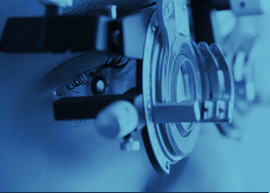

In Copperas Cove and surrounding areas like Killeen and Ft Hood, patients of all ages rely on clear vision to manage work, school, and everyday life. That’s why comprehensive eye exams are so important to check your vision and protect your total health.
At Cove Eyecare, we offer routine eye exams for children, adults, and seniors, tailored to your needs and lifestyle, with tools to catch early signs of eye disease and identify other health issues before they cause problems.
What’s Included in a Comprehensive Eye Exam at Cove Eyecare?
A yearly eye exam isn’t just a vision test; it’s a full check-up for your eye health and a window into your overall wellness. At Cove Eyecare, we go beyond reading charts to assess your eyes inside and out. Here’s what we typically include during a comprehensive eye exam:
1. Visual Acuity Test
This is the part most patients expect: reading letters on a chart to check how clearly you see at various distances. It helps us measure any changes since your last visit and determine if your prescription needs adjusting.
2. Refraction and Prescription Check
If you wear glasses or contact lenses, we’ll test for the most accurate prescription. Even small changes can impact your vision comfort and performance, especially for working adults and students.
3. Eye Pressure Testing (Tonometry)
High pressure in the eyes can signal early signs of glaucoma. Since this eye condition often shows no symptoms until vision is already damaged, regular testing is one of the best ways to protect your long-term sight.
4. Retinal Imaging and Blood Vessel Evaluation
Using advanced diagnostic tools, we examine the back of your eye to check the health of your retina and blood vessels. This helps detect issues tied to diabetes, high blood pressure, or other systemic health problems.
5. Discussion of Results and Recommendations
We’ll walk you through everything we find, explain any changes in your vision, and offer tailored recommendations, whether it’s a prescription update, dry eye treatment, or a referral for additional care.
6. Eyewear Options and Next Steps
If you need new glasses or contacts, our optical team is ready to help. We offer designer frames, next-day service on many prescriptions, and specialty lenses for work, driving, or screen time
Conditions That Can Be Detected During a Comprehensive Eye Exam
A thorough eye exam does more than help you see better — it can reveal signs of health problems that may not show any symptoms yet. Early detection gives you more time to manage these conditions before they lead to vision loss or other complications.
Here are some of the most common eye conditions your eye doctor may detect:
- Glaucoma: Increased eye pressure can damage the optic nerve, often without early warning signs.
- Cataracts: Clouding of the eye's natural lens that causes blurry or faded vision over time.
- Macular Degeneration: Affects central vision and is one of the leading causes of vision loss in adults over 60.
- Diabetic Retinopathy: Caused by high blood sugar levels damaging the blood vessels in the retina.
- Hypertension (High Blood Pressure): Can lead to changes in the retinal blood vessels, sometimes visible before symptoms appear.
- Dry Eye Disease: Common in screen users and in Copperas Cove’s dry climate, causing irritation, redness, and blurred vision.
- Refractive Errors: Includes nearsightedness, farsightedness, and astigmatism, which affect how clearly you see.
- Retinal Detachment: A medical emergency that can be detected during imaging, even without symptoms.
- Neurological Conditions: In rare cases, eye exams can reveal signs of conditions such as multiple sclerosis or tumors pressing on the optic nerve.
Make This Year the Year You Prioritize Your Vision with Cove Eyecare
Your eyes deserve just as much attention as the rest of your health. A yearly eye exam is a small step that protects your vision, catches early signs of eye disease, and supports your overall well-being. Whether you’re caring for children, managing chronic health issues, or just trying to see your best at work, routine eye exams make a lasting difference.
Book your comprehensive eye exam to get compassionate, high-quality eye care in a setting that’s never rushed.
New Year Eye Check FAQs
How often should you see the eye doctor?
Most patients should schedule a comprehensive eye exam once a year. If you have diabetes, high blood pressure, or a family history of eye disease, more frequent visits may be recommended.
Is it important to update your glasses or contact lenses every year?
Yes. Even small prescription changes can cause eye strain or headaches. If you’re asking, “How often should I get my eyes tested?” and it’s been more than a year, you’re likely due for another test.
Can a routine eye exam detect other health issues?
Absolutely. Your eye doctor can spot early signs of high blood pressure, diabetes, and other systemic issues by examining the blood vessels in your eyes. That’s why regular eye exams are a key part of preventive care.